SUP or Paddleboarding in Greece: What Rules Must You Follow and When Could You Face a €250 Fine?
SUP (stand-up paddleboarding) is becoming an increasingly popular summer activity on Greek beaches. However, few people know that using a paddleboard comes with specific safety requirements, and failure to comply can result in significant fines.
Whether you are on holiday, own a holiday home in Greece, or spend most of the summer by the sea, it is important to familiarise yourself with the rules governing the use of SUP (Stand Up Paddleboarding), also known as paddleboarding.
During the summer season of 2026, SUP safety attracted particular attention following cases involving penalised tourists and growing public interest in inspections carried out by the Greek Coast Guard.
A €250 Fine for Using a SUP Without a Life Jacket
In July 2026, an incident was reported on the Greek island of Lemnos in which a person using a SUP was fined €250 for not wearing the required life jacket.
The incident attracted considerable public attention, as many tourists are unfamiliar with the restrictions in force.
Although SUP may seem like a relatively easy and safe recreational activity, the Greek authorities remind users that a paddleboard is a watercraft and that its use is subject to specific regulations.
What Are the Main Rules for Using a SUP in Greece?
1. A Life Jacket Is Mandatory
One of the most important requirements is the use of a personal life jacket.
Even if you are an excellent swimmer and stay close to the shore, this does not exempt you from safety requirements.
If you fall into the water, the weather changes suddenly, or you become physically exhausted, a life jacket could make all the difference.
The fine for failing to wear a life jacket can reach €250.
2. Maximum Distance from the Shore: 500 Metres
When using a SUP, you must not venture more than 500 metres from the shoreline.
Additional restrictions may apply at certain beaches and in specific maritime areas, including designated boundaries marked by buoys.
Do not underestimate the distance. Even when the sea appears calm, returning to shore can become difficult if the wind suddenly changes.
3. No Paddleboarding in Dangerous Weather Conditions
Strong winds, high waves, and poor visibility pose serious risks to people using SUPs.
Offshore winds — those blowing from the land towards the sea — are particularly dangerous. They can quickly carry a board further out to sea, even when the water near the shore appears calm.
Before heading out, check the weather forecast, wind direction, and wind speed.
If conditions are unsuitable, the wisest decision is to postpone your session.
4. SUPs May Only Be Used During Daylight Hours
Using a SUP before sunrise or after sunset is prohibited under the applicable rules governing this type of recreational watercraft.
At night, visibility is limited, increasing the risk of collisions with boats and other watercraft.
Even a short paddle at sunset can cause problems if you return after dark.
5. Restrictions on the Number of People on a Board
For standard SUP boards designed for individual use, the rules provide for only one person on the board.
Even if the manufacturer specifies a high maximum load capacity, this does not automatically mean that two people are permitted to use the board together.
Overloading can lead to loss of balance, capsizing, and difficulty manoeuvring.
For specialised multi-person models, check the applicable regulations and the guidance provided by the local port authorities in advance.
6. Use a Safety Leash
In addition to a life jacket, using a safety leash that connects you to your board is strongly recommended.
If you fall into the water, the leash reduces the risk of your SUP being carried away by the wind or waves.
This is particularly important because the board itself provides additional buoyancy and can help you stay afloat if you encounter difficulties.
Choose a suitable leash for the conditions. For example, in strong currents or areas where the leash could become caught on obstacles, a model with a quick-release mechanism may be necessary.
7. Age Restrictions and Swimming Ability
SUP use is also subject to age restrictions. Published information on Greek port regulations indicates that children under the age of 14 are prohibited from using SUPs, although the specific conditions should be checked according to the location and type of activity.
SUPs should also not be used by people who cannot swim.
Parents should familiarise themselves with the rules in advance, especially when hiring equipment for their children during a family holiday.
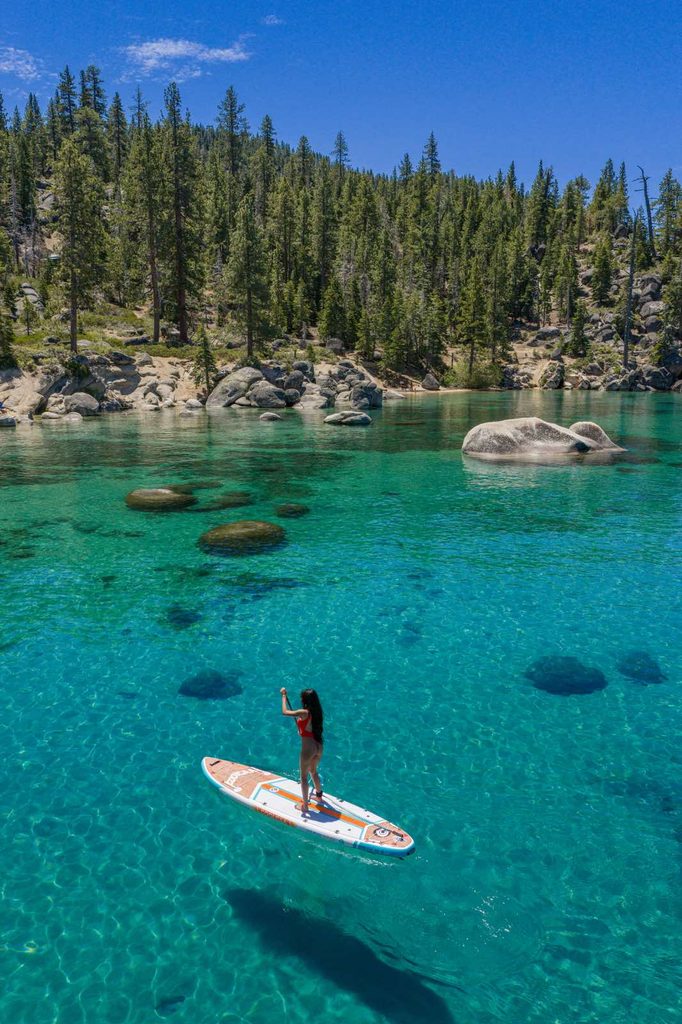
Photo: Leo Visions / Unsplash
Who Enforces the Rules?
Enforcement is carried out by the Greek port and maritime authorities, known as the Hellenic Coast Guard (Λιμενικό Σώμα – Hellenic Coast Guard).
They may conduct inspections on beaches and in maritime areas used for water sports.
If an infringement is identified, administrative penalties may be imposed. The amount depends on the specific violation and the applicable regulations.
It is important to remember that additional local restrictions may apply in certain areas.
What Tourists and Holiday Homeowners in Greece Should Know
For many Bulgarians, Greece is more than just a destination for a short holiday. It is also a place where they own a holiday home and spend a significant part of the year.
SUP boards are often among the recreational equipment used by owners of coastal properties for their own holidays and leisure activities.
If you own a SUP, it is a good idea to regularly check the condition of the board, your life jacket, and other safety equipment.
If you rent out a holiday property and provide a SUP for your guests to use, make sure you understand the applicable requirements in advance, including whether offering this equipment is subject to additional regulations.
It is good practice to give guests clear instructions on how to use the equipment safely and explain any restrictions that apply in the area.
This will not only help you avoid unpleasant situations but also ensure a more relaxing stay for the people visiting your property.
A Few More Tips for Safe SUP Paddleboarding
In addition to following the official rules, there are several practical precautions that can help prevent dangerous situations:
- Do not venture far out to sea alone, especially if you are unfamiliar with the area.
- Tell someone where you intend to paddle and when you expect to return.
- Avoid areas with heavy traffic from boats, jet skis, and other watercraft.
- Carry a waterproof communication device whenever conditions allow.
- Do not overestimate your physical abilities, and always save enough energy for the return journey.
- If you suspect the weather is about to deteriorate, head back to shore as early as possible.
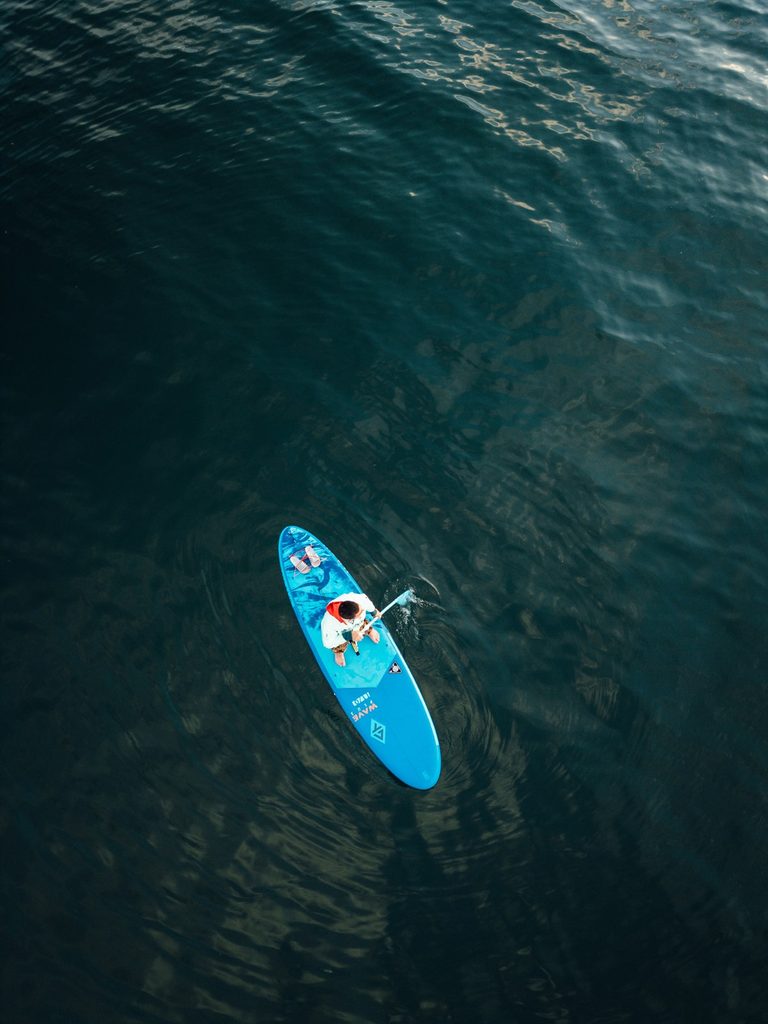
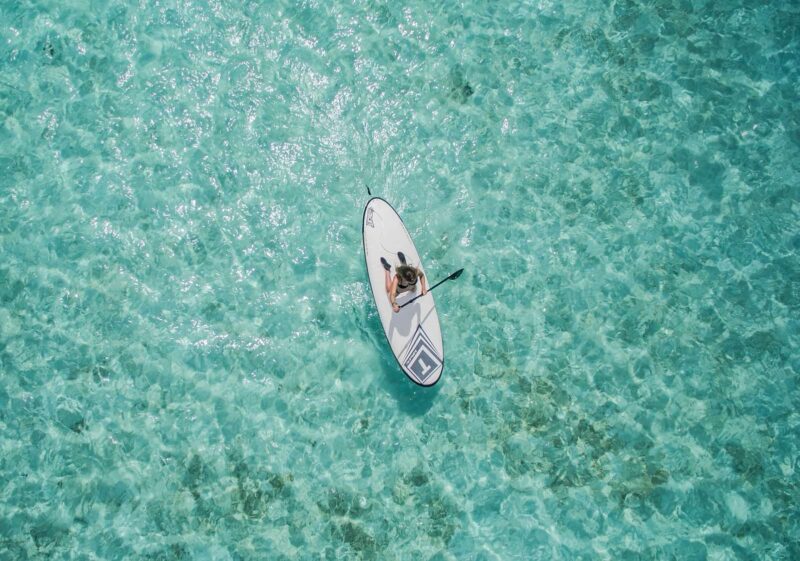
Photo: Erik Fabian / Unsplash
In an emergency at sea, you can call the European emergency number 112 for assistance.
The beautiful beaches and sheltered bays of Greece offer excellent conditions for SUP paddleboarding, but the sea can be unpredictable.
Even experienced water sports enthusiasts are not immune to sudden changes in weather or unexpected situations.
That is why these rules should not be viewed merely as restrictions or a way to impose fines. Their primary purpose is to protect lives and reduce the risk of accidents.
Whether you are a tourist, live in Greece, or own a holiday home by the sea, staying informed and behaving responsibly are the best ways to enjoy your summer days with peace of mind.
On our blog, we continue to share up-to-date and useful information about life in Greece, real estate, local regulations, and everything that matters to Bulgarians who have chosen the country as their holiday destination or permanent home.